Confessing Directly to God
Many Christians wrestle with this question at some point in their faith journey. The idea of confessing sins directly to God — without a priest or mediator — feels natural to some, yet incomplete to others. The answer largely depends on your theological tradition, but scripture offers meaningful guidance for anyone seeking clarity.
What the Bible says about confession
The New Testament makes a clear case for direct access to God. In 1 John 1:9, believers are told: "If we confess our sins, he is faithful and just to forgive us our sins and to cleanse us from all unrighteousness." The verse addresses God directly — no intermediary required. Similarly, the Lord's Prayer (Matthew 6:9–13) models a direct, personal conversation with God that includes asking for forgiveness.
That said, James 5:16 encourages believers to "confess your sins to one another and pray for one another, so that you may be healed." This verse has shaped traditions that emphasise communal or sacramental confession, particularly within Catholic and Orthodox Christianity.
Direct confession in Protestant traditions
Most Protestant denominations — including Baptist, Methodist, and Reformed churches — teach that believers can and should confess their sins directly to God. This view is grounded in the belief that Christ's death on the cross tore the dividing curtain (Matthew 27:51), granting every believer direct access to God without a human priest as a go-between.
In this tradition, confession is a deeply personal act of humility. It involves acknowledging wrongdoing, expressing genuine remorse, and trusting in God's mercy. While spiritual direction or accountability partnerships are encouraged in many Protestant communities, they are seen as supplementary rather than essential to receiving forgiveness.
The Catholic and Orthodox perspective
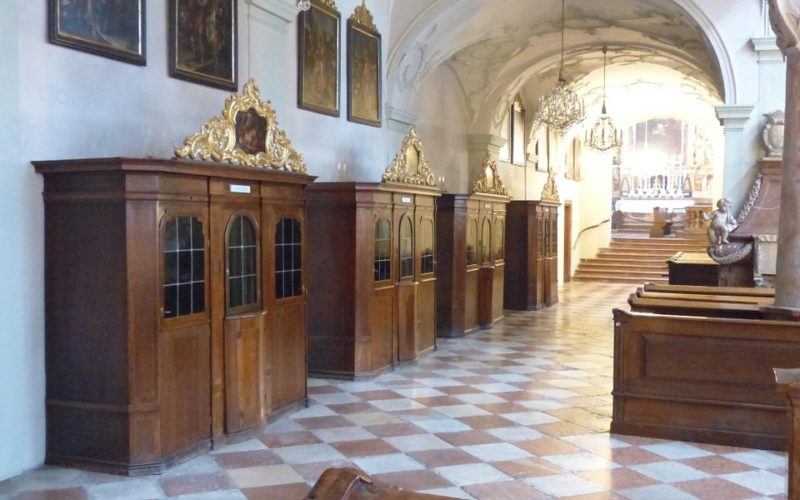
Within Catholic teaching, sacramental confession — also known as the Sacrament of Reconciliation — is considered necessary for the forgiveness of mortal sins committed after baptism. The priest acts as God's instrument, offering absolution in Christ's name. This is rooted in John 20:23, where Jesus tells his disciples: "If you forgive the sins of any, they are forgiven them."
Eastern Orthodox Christianity holds a similar view, though the emphasis tends to fall more on healing and restoration than legal absolution. In both traditions, going directly to God in prayer is encouraged and valued — but sacramental confession carries a weight and authority that private prayer alone is not seen to replace.
What makes confession meaningful?
Regardless of tradition, most Christian teaching agrees on the heart of confession: sincerity. A hurried, routine acknowledgement of wrongdoing carries little weight if it lacks genuine contrition. True confession involves recognising the harm caused by sin, turning away from it (repentance), and trusting in God's grace to restore the relationship.
For those who confess directly to God, this might look like quiet, honest prayer — naming specific wrongs rather than offering vague apologies. For those in sacramental traditions, the physical act of speaking sins aloud to a confessor can bring a profound sense of release and accountability that silent prayer does not always provide.
Finding the right practice for your faith
If you are exploring what confession looks like in your own life, it is worth engaging with your church community and studying scripture for yourself. Whether you confess in the quiet of your own room or within a structured liturgical setting, what matters most is a genuine desire to be reconciled with God. He is, after all, the one whose forgiveness ultimately counts.